
Research is at the core of the UQ Korean Studies Centre’s mission. Established within the School of Languages and Cultures, KSC provides an interdisciplinary platform for scholars and postgraduate researchers working on Korean language, culture, history, society and Korea’s global connections. Since receiving approximately $1 million AUD through the Academy of Korean Studies Core University Program for Korean Studies in 2021, UQ KSC has expanded its research activities, strengthened international collaboration and increased its support for emerging Korean Studies researchers.
One of the Centre’s major research strengths is the critical study of textbooks, education and cultural representation. Current and recent projects examine textbooks from North and South Korea, as well as Korean-language and Korean Studies materials used in diasporic and overseas contexts. Particular attention is given to the ways textbooks construct nationalism, identity, ideology, history, cultural values and representations of Korea. This work connects Korean Studies with critical curriculum studies, discourse analysis, language education and comparative education, allowing researchers to examine how Korea and Korean identity are represented both within the Korean Peninsula and across different national and cultural contexts.
The Centre also supports research on Korean diasporic identity and the changing meanings of Korean identity in multicultural societies, including Australia. Related projects investigate the evolving image of Korea and the Korean Peninsula in regional and global discourses. Another important research strand examines historical connections between Korea and Australia through archival sources, including letters, reports and other documents produced by Queensland and Australian missionaries in Korea from the late nineteenth to the mid-twentieth century.
Research at UQ KSC is strongly collaborative and internationally oriented. The Centre regularly brings together scholars through international conferences, colloquiums, seminars and webinars, creating opportunities to present new research, develop joint projects and connect established academics with Higher Degree by Research students and emerging scholars. Recent activities have involved universities and researchers from South Korea, China, Japan, Southeast Asia and other parts of the Asia-Pacific region. Major conference themes have included Korean culture and identity, education and textbooks, Korea–Australia relations, unification humanities, Korean diasporas, and the international development of Korean Studies.
KSC places particular emphasis on translating research collaboration into high-quality scholarly outputs. Its research activities contribute to peer-reviewed journal articles, book chapters, monographs and edited collections, while conferences and postgraduate research activities provide pathways for HDR and emerging researchers to develop publishable work. By combining research production, postgraduate mentoring, international networks and public scholarly engagement, UQ KSC seeks not only to advance knowledge about Korea but also to strengthen the long-term research capacity and sustainability of Korean Studies in Australia. Its broader goal is to serve as a regional platform connecting Australian Korean Studies with researchers and institutions across Asia and beyond.
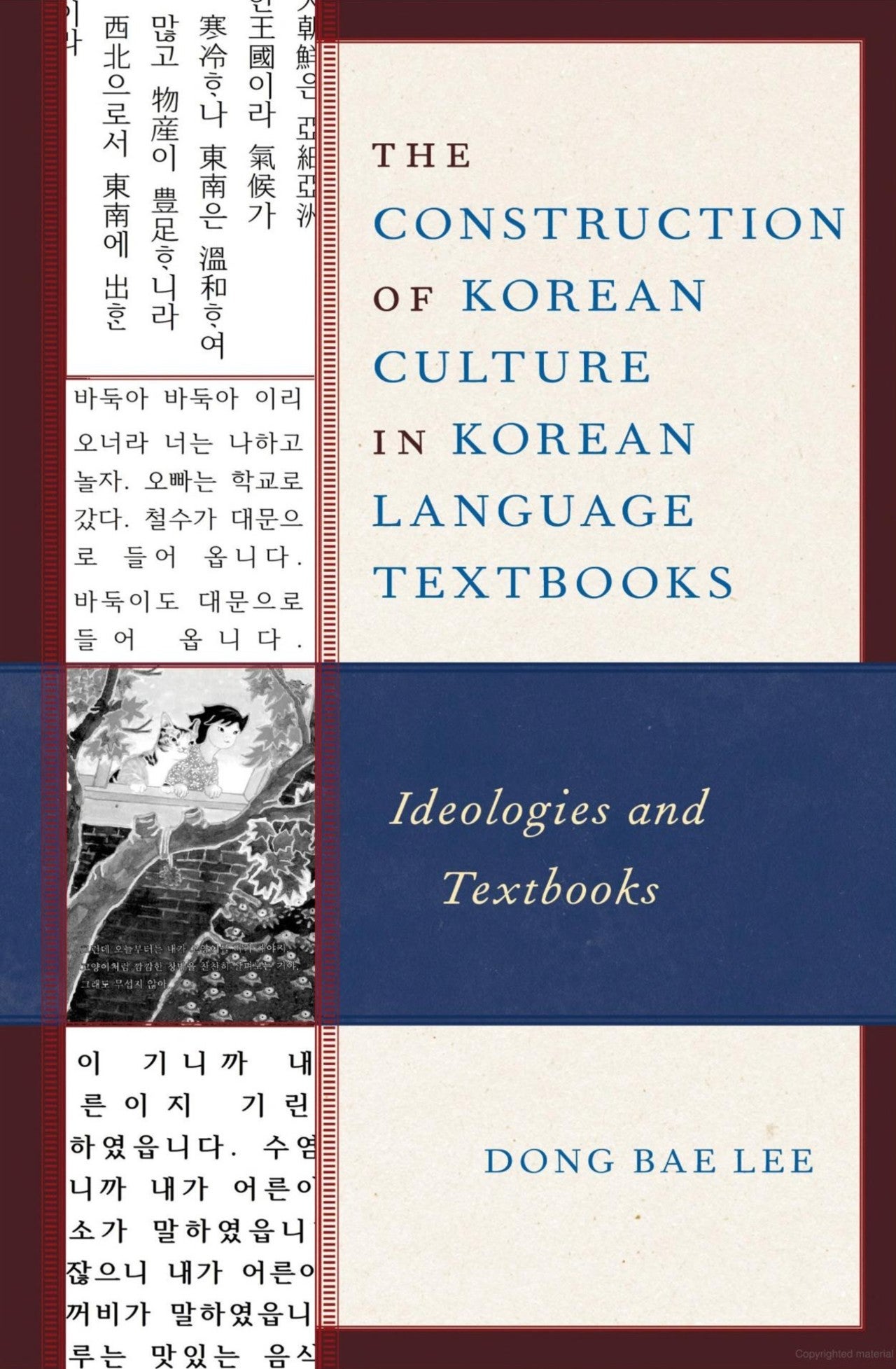 The Construction of Korean Culture in Korean Language Textbooks: Ideologies and Textbooks
Dong Bae Lee (2021) Lexington Books
The book examines the themes of cultural values, collective identity, political ideologies, and Korean cultural traditions throughout Korean language textbooks from the last 120 years. Through this analysis, the author explores the colonial, neo-colonial, and postcolonial contexts that have influenced South Korea. This work demonstrates the significant impact of textbooks and how political leaders make use of school curricula to legitimate their regimes.
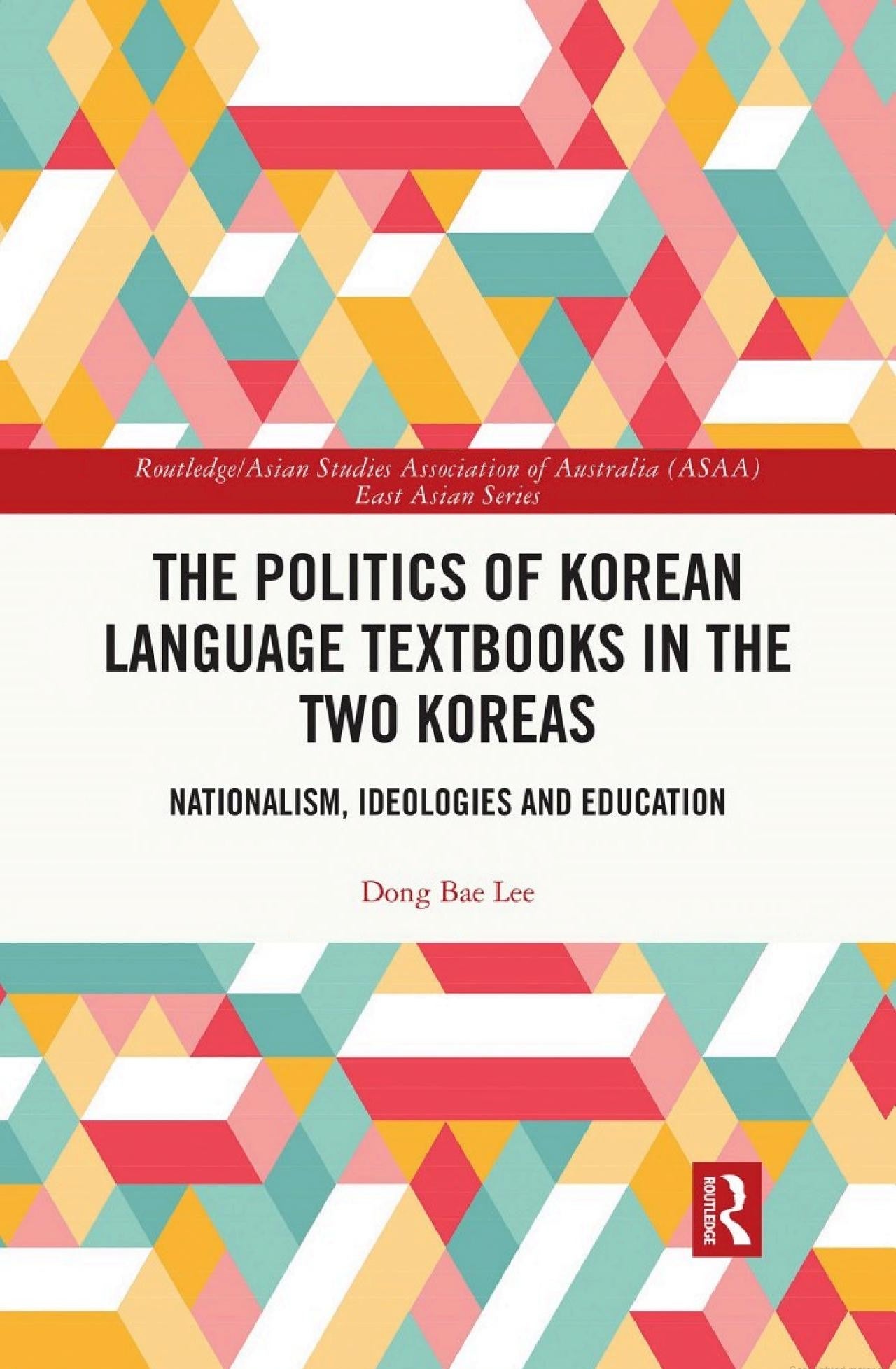 The Politics of Korean Language Textbooks in the Two Koreas: Nationalism, Ideologies and Education
Dong Bae Lee (2023) Routledge
This book investigates the politics embedded in the Korean-language textbooks utilised between 1895 and 2019, within the context of one Korea (pre-colonial and colonial eras), the divided Koreas, and an ethnic Korean group residing in Japan (Chongryon). By analysing the inclusions and omissions from Korean-language the author successfully highlights the impact of Korean politics, making clear how rulers have attempted to control their citizens and legitimize their rule by using primary school Korean-language textbooks as a medium for political education and inculcation. It succinctly displays how different visions of ‘ideal citizenship’ have been presented in Korea and traces the resulting shift in views towards neighbouring nations as a result, identifying how different rival countries were demonized at different times. This chapter also shows some consistent omissions, such as the lower classes and marginalized individuals within their respective nations. Presenting recommendations for potential improvements of the content of future textbooks this study will be of interest to students of Asian Studies, Post-colonial Studies, Critical Curriculum Studies, Critical Discourse Studies, and Korean Studies.